 Owned
Owned

Rough Fescue vs Tufted Hairgrass
Deschampsia cespitosa
Festuca campestris
NOT AVAILABLE THIS SEASON - MIGHT RETURN
NOT AVAILABLE THIS SEASON - MIGHT RETURN
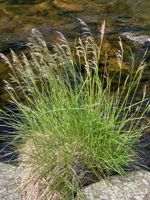
Tufted Hairgrass is a native perennial bunchgrass that forms dense clumps of dark green foliage. It produces tall, wispy seed heads in late spring and early summer, adding height and texture to the landscape. Its tidy, clump-forming habit and ornamental appeal make it well suited to smaller gardens and yards.
Tufted Hairgrass is a cool-season grass that grows most actively during the cooler parts of the growing season: spring and fall. Its adaptability allows it to establish across a range of sites, while its dense, fibrous root system helps stabilize soil. It is well suited to rangeland and prairie restoration, naturalization, erosion control, and revegetation projects.
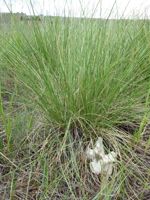
Rough Fescue is a native perennial bunchgrass valued for its tall, dense clumps and long-lived growth. Adapted to cold climates and nutrient-poor soils, it is a defining species of northern prairie and montane grasslands. In western Canada and the northern Rocky Mountains, Rough Fescue is considered a keystone species because it shapes plant communities, stabilizes soils, and supports ecosystem resilience.
It is a cool-season grass, growing most actively in spring and fall and slowing during the heat of summer. Rough Fescue is highly regarded as forage for wildlife and livestock, with elk, deer, and other grazing animals favoring it. Taller than many other fescue species, it is well-suited to prairie restoration, erosion control, and naturalization projects where it supports both biodiversity and long-term ecosystem health.