 Owned
Owned

Junegrass vs Tufted Hairgrass
Deschampsia cespitosa
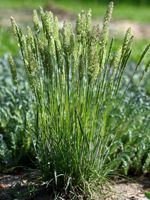
Koeleria macrantha
NOT AVAILABLE THIS SEASON - MIGHT RETURN
NOT AVAILABLE THIS SEASON - MIGHT RETURN
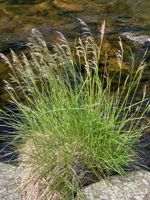
Tufted Hairgrass is a native perennial bunchgrass that forms dense clumps of dark green foliage. It produces tall, wispy seed heads in late spring and early summer, adding height and texture to the landscape. Its tidy, clump-forming habit and ornamental appeal make it well suited to smaller gardens and yards.
Tufted Hairgrass is a cool-season grass that grows most actively during the cooler parts of the growing season: spring and fall. Its adaptability allows it to establish across a range of sites, while its dense, fibrous root system helps stabilize soil. It is well suited to rangeland and prairie restoration, naturalization, erosion control, and revegetation projects.
Junegrass is a native, low-growing perennial bunchgrass commonly found in prairies and open woodlands. It is a great choice for prairie restoration and naturalization projects or an attractive accent in ornamental plantings. Spear-shaped seed heads rise above the gray-green lower leaves, maturing to a tan color. Flowering earlier than other upright prairie grasses, it greens up quickly in spring and maintains its appeal well into the fall. It is shorter in stature and rarely forms thick stands, which adds to its understated visual appeal.
Adapted to cooler climates, Junegrass thrives in well-drained, rocky, sandy, or gritty soils and can tolerate drought, cold, and high altitudes. It actively grows in spring and fall when soil temperatures are cool, but in areas that are too hot or humid, it may go dormant by late summer.
As a perennial, it dies back to the crown each winter, it will regrow from the base in the spring. Avoid disturbing the crown during late winter to ensure healthy growth the following season.