 Owned

American Bladdernut vs Sessile Oak
Quercus petraea
Staphylea trifolia
NOT AVAILABLE THIS SEASON - MIGHT RETURN
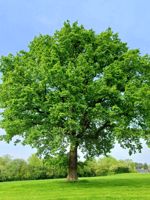
Sessile Oak is a large, long-lived deciduous tree with a wide, rounded crown. It is an important host plant for many pollinators, especially in its native range. Its acorns serve as a valuable food source for birds and small mammals, providing strong ecological value. It differs from many oaks as the leaves grow on longer stalks, whereas the acorns are stalkless. It can live for hundreds of years, with some surviving over 1,000 years in ideal conditions. As it matures, the tree develops a rugged, gnarled structure that provides heavy shade and a distinctive appearance.
More drought-tolerant than other oaks and does not do well in waterlogged or compacted soils.
Native to Europe and is the national tree of Ireland.
Note: Most Oak species can be considered toxic for many animals.
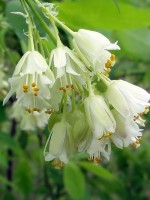
American Bladdernut is a fast-growing, ornamental shrub native to eastern North America. It can be grown as a large shrub or trained as a small tree. The small, drooping, white flowers are bell-shaped and grow in clusters. They appear in mid to late spring, attracting various pollinators. Well suited as an understory plant as it prefers shady and partial sun location with moist soils.
The blossoms mature into papery seed capsules and have been described as miniature Japanese lanterns. They are commonly used in dried flower arrangements. The seeds found within the pods are edible, and have a taste similar to pistachios. They can be eaten raw, used in baking or made into a sweet cooking oil.
Care should be taken when planting American Bladdernut, as it can spread quickly. It is prone to suckering and will self-seed. Plant the right tree in the right place.
Sessile Oak Quick Facts
American Bladdernut Quick Facts
Toxicity: young leaves and acorns toxic to humans and animals when injested