 Owned
Owned

Mon-Fri 9am - 5pm Mountain time
Cart reopens in October
Subscribe to our email list
to stay updated
Common Hackberry vs Smooth Sumac
Rhus glabra
Celtis occidentalis
NOT AVAILABLE THIS SEASON - MIGHT RETURN
COMING SOON
(new stock expected: fall of 2026)
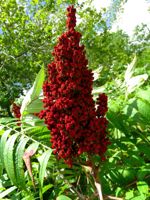
Smooth Sumac is an excellent shrub for both its ornamental appeal and tolerance of difficult planting sites. You'll love the attractive pyramidal spikes of hairy, red berries that emerge on female plants and the fern-like foliage that covers both male and female varieties.
Ensure you give Smooth Sumac enough space to spread out due to its high suckering nature. While not ideal for small, urban yards, this shrub will make a stunning border along a woodland edge or roadside.
Note:These plants typically reach maturity and make their sex easily known (females producing fruit) in their 3rd or 4th year of growth. Our seedlings are too young to identify their sex.
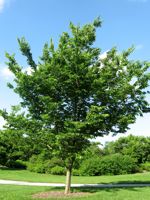
The Common Hackberry is a medium-sized deciduous tree that resembles the American Elm but is immune to Dutch Elm Disease. They are versatile and can adapt to a variety of growing conditions.
It produces purple-red, berry-like fruit with a large seed in the center. Both the sweet flesh, which tastes similar to dates, and the crunchy seed are edible. The fruit remains on the tree throughout the winter, offering a valuable food source for birds and other wildlife.
The Common Hackberry can also be a great addition to a pollinator garden. The tree itself is a host for the larvae of several butterfly species and the flowers provide a source of pollen and nectar.