 Owned
Owned

Mon-Fri 9am - 5pm Mountain time
Cart reopens in October
Subscribe to our email list
to stay updated
Common Hackberry vs Kerr Apple Crab
Celtis occidentalis
Malus x Kerr
COMING SOON
(new stock expected: fall of 2026)
COMING SOON
(new stock expected: fall of 2026)
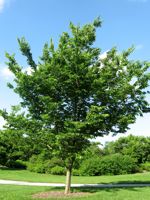
The Common Hackberry is a medium-sized deciduous tree that resembles the American Elm but is immune to Dutch Elm Disease. They are versatile and can adapt to a variety of growing conditions.
It produces purple-red, berry-like fruit with a large seed in the center. Both the sweet flesh, which tastes similar to dates, and the crunchy seed are edible. The fruit remains on the tree throughout the winter, offering a valuable food source for birds and other wildlife.
The Common Hackberry can also be a great addition to a pollinator garden. The tree itself is a host for the larvae of several butterfly species and the flowers provide a source of pollen and nectar.
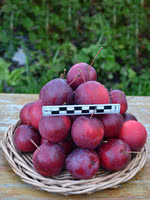
Kerr Apple Crab is a cross between Dolgo and Haralson that originated in Manitoba. This hardy variety is so tasty that it is often compared to Golden Delicious. Kerr Apples keep well and are good for fresh eating, cooking, and juicing. As an ornamental, this tree blooms in mid-May with clusters of white flowers born from pink buds.
For fruit production, cross-pollination is required. Apples need to be planted with another Apple or Crab Apple variety.
Note: We do not ship grafted apples to BC due to regulatory restrictions from the Canadian Food Inspection Agency.