 Owned
Owned

Mon-Fri 9am - 5pm Mountain time
Cart reopens in October
Subscribe to our email list
to stay updated
Common Hackberry vs Thunderchild Flowering Crab
Celtis occidentalis
Malus x adstringens Thunderchild
COMING SOON
(new stock expected: fall of 2026)
COMING SOON
(new stock expected: fall of 2026)
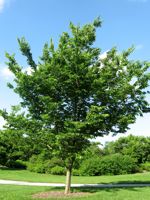
The Common Hackberry is a medium-sized deciduous tree that resembles the American Elm but is immune to Dutch Elm Disease. They are versatile and can adapt to a variety of growing conditions.
It produces purple-red, berry-like fruit with a large seed in the center. Both the sweet flesh, which tastes similar to dates, and the crunchy seed are edible. The fruit remains on the tree throughout the winter, offering a valuable food source for birds and other wildlife.
The Common Hackberry can also be a great addition to a pollinator garden. The tree itself is a host for the larvae of several butterfly species and the flowers provide a source of pollen and nectar.
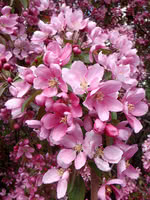
Thunderchild Flowering Crab is a hybrid crab apple known for its attractive and fragrant dark pink blossoms and deep purple mature leaves.
Tree farmers will find this hybrid appealing as a pollinator for other apples, while home growers will enjoy the red pome's ability to attract flocks of Cedar Waxwings in the early spring.
This species is reportedly resistant to fireblight.