 Owned
Owned

Mon-Fri 9am - 5pm Mountain time
Cart reopens in October
Subscribe to our email list
to stay updated
Tulip Tree vs Thornless Honeylocust
Liriodendron tulipifera
Gleditsia triacanthos var. inermis
COMING SOON
(new stock expected: fall of 2026)
COMING SOON
(new stock expected: fall of 2026)
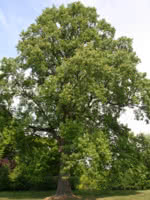
Tulip Tree is the perfect shade tree for wide open spaces. It has a shallow and extensive root system, so ensure you give it space to grow. The attractive and showy, yellow-orange, tulip shaped flowers are where this tree gets its name.
Tulip Tree is somewhat rare in Canada but highly sought after as it is difficult to grow. Does best in a moist, well-drained soil.
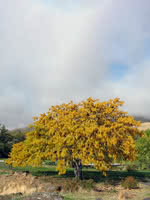
Thornless Honey Locust makes an excellent shade tree with its lacy foliage and dappled shade. The leaves are honey-yellow, light and airy, providing interesting color and texture to your landscape. This variety is thornless, and the seeds and pods provide food for wildlife such as deer and squirrels.
The Thornless Honey Locust is tolerant of drought, various soil conditions, and even road salt.