 Owned
Owned

Burning Bush vs Northern Bush Honeysuckle
Euonymus alatus
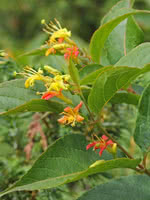
Diervilla lonicera
NOT AVAILABLE THIS SEASON - MIGHT RETURN
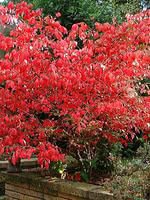
Burning Bush is a unique shrub whose leaves turn firey red in the fall. You can plant it in rows to make a hedge or on its own. Burning Bush requires little maintenance and thrives in just about any kind of soil, which makes it a good choice for inexperienced growers. Plant it in full sun to get its best fall color.
Select Cultivar: Dwarf Burning Bush is a smaller variety of Burning Bush. This shrub has a compact form and only reaches 4-5ft tall and 4-5ft wide.
Note: Burning Bush is considered an invasive species in eastern North America. Please plant the right tree in the right place.
The Northern Bush Honeysuckle is a small, dense, deciduous shrub. The trumpet-like yellow flowers bloom late spring to early summer. Dark green leaves turn yellow then red in the fall. The flower nectar has a sweet honey taste that can be sucked out of the flower.
Because of its aggressive suckering habit, the Northern Bush Honeysuckle makes a great hedge, shrub border, or thicket in a woodland garden.