 Owned
Owned

Mon-Fri 9am - 5pm Mountain time
Cart reopens in October
Subscribe to our email list
to stay updated
Witch Hazel vs Creeping Oregon Grape
Hamamelis virginiana
Mahonia repens
NOT AVAILABLE THIS SEASON - MIGHT RETURN
CUSTOM GROW
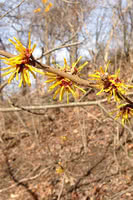

Witch Hazel is a deciduous shrub, or small tree, with a short trunk, bearing numerous spreading, crooked branches.
The seeds grow in a long, wooden pod with two to four seeds per pod. Upon ripening, the pods burst, firing the seeds up to 30km an hour.
The leaf and bark extract of Witch Hazel has been used as a remedy to common ailments such as inflammation, bruises and much more for many centuries.
Creeping Oregon Grape is an excellent ground cover plant with attractive, dark green, holly-like leaves. It maintains its leaves throughout winter, which turn mauve, rose, and rust-colored. Clusters of bright, yellow flowers develop into dark, blue-purple edible berries ideal for juice or wine.