 Owned
Owned

Nannyberry vs Shiny Cotoneaster (Hedge Cotoneaster)
Viburnum lentago
Cotoneaster lucidus
NOT AVAILABLE THIS SEASON - MIGHT RETURN
NOT AVAILABLE THIS SEASON - MIGHT RETURN
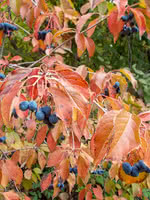
Nannyberry is a hardy shrub known for attracting wildlife. Its clusters of white flowers and tasty berries are suitable for bees, birds, and other animals.
Nannyberry is also used in urban yards and landscaping. This shrub makes a beautiful ornamental and is small enough to grow underneath power lines. Its berries can be eaten fresh or used in baking and preserves.
Makes a great hedge or privacy screen in an urban yard. Often has great red fall color to complement its spring flowers.
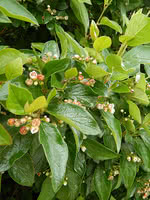
The Shiny Cotoneaster (Hedge Cotoneaster) is a dense, deciduous shrub that gets its name from the glossy dark green leaves that turn an eye-catching mix of red and purple in the fall.
It produces small, pink flowers in spring and by late summer they are followed by red berries that ripen to black. This plant is great for attracting wildlife as it is loved by both birds and butterflies.
While the Shiny Cotoneaster does produce berries, they are inedible to humans. This plant takes pruning and shearing well, making it easy to shape to your liking and is a great choice for a hedge or privacy screen in your yard.
Nannyberry Quick Facts
Shiny Cotoneaster (Hedge Cotoneaster) Quick Facts
Toxicity: may cause stomach upset