 Owned
Owned

Mon-Fri 9am - 5pm Mountain time
Cart reopens in October
Subscribe to our email list
to stay updated
Nannyberry vs Northblue Blueberry
Viburnum lentago
Vaccinium corymbosum Northblue
NOT AVAILABLE THIS SEASON - MIGHT RETURN
NOT AVAILABLE THIS SEASON - MIGHT RETURN
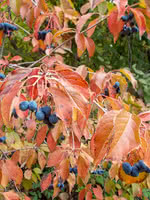
Nannyberry is a hardy shrub known for attracting wildlife. Its clusters of white flowers and tasty berries are suitable for bees, birds, and other animals.
Nannyberry is also used in urban yards and landscaping. This shrub makes a beautiful ornamental and is small enough to grow underneath power lines. Its berries can be eaten fresh or used in baking and preserves.
Makes a great hedge or privacy screen in an urban yard. Often has great red fall color to complement its spring flowers.
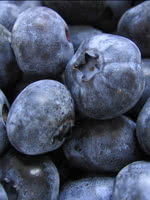
Northblue Blueberry produces the best tasting of the half-high blueberries we carry. It's a cross between a highbush and a lowbush variety, which makes it suitable for smaller yards. For its size, Northblue Blueberry produces abundant quantities of large, firm berries. They are sweet and juicy.
While this variety is self-pollinating, we recommend pairing it with another suitable blueberry to increase the berry production of both varieties.
Note: Blueberries require very specific soil conditions. They need well-drained soil with a pH between 4.5 and 5.0. If the starting pH of your soil is between 5.1 and 6.2 you can lower it by adding sulfur. We recommend against planting blueberries in soil with a starting pH greater than 6.2. Please do your own research before buying any blueberry plants.