 Owned
Owned

Mon-Fri 9am - 5pm Mountain time
Cart reopens in October
Subscribe to our email list
to stay updated
Nannyberry vs Royalty Raspberry
Viburnum lentago
Rubus x Royalty
NOT AVAILABLE THIS SEASON - MIGHT RETURN
COMING SOON
(new stock expected: fall of 2026)
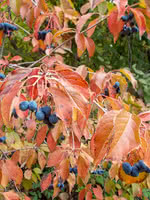
Nannyberry is a hardy shrub known for attracting wildlife. Its clusters of white flowers and tasty berries are suitable for bees, birds, and other animals.
Nannyberry is also used in urban yards and landscaping. This shrub makes a beautiful ornamental and is small enough to grow underneath power lines. Its berries can be eaten fresh or used in baking and preserves.
Makes a great hedge or privacy screen in an urban yard. Often has great red fall color to complement its spring flowers.
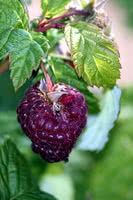
Royalty Raspberry is a productive and delicious red-purple raspberry. It is a cross between a red raspberry and a black raspberry. Ripening in late August, the berries are ideal for homemade jams, preserves, and fresh eating.
If you are going for more of a classic red raspberry taste, pick the berries early. But if they are left on the cane until they are purple the taste will be sweeter.
Royalty Raspberry is a floricane-fruiting variety, meaning it primarily produces fruit on second-year canes (previous season’s new growth). They are also referred to as summer-bearing. In late winter or early spring, cut back all spent floricanes, leaving only last season's canes.
Raspberries are self-fertile, meaning they do not require cross-pollination from another variety to produce fruit.
This very popular extra large berried variety was developed at Cornell University.