 Owned
Owned

Mon-Fri 9am - 5pm Mountain time
Cart reopens in October
Subscribe to our email list
to stay updated
Black Hawthorn vs Creeping Oregon Grape
Crataegus douglasii
Mahonia repens
NOT AVAILABLE THIS SEASON - MIGHT RETURN
CUSTOM GROW
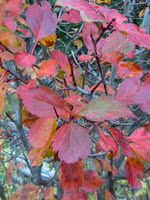
Black Hawthorn is a versatile plant that is native to wetlands and other areas with moist soils, but can also tolerate dry soils. This plant can be grown as a short shrub, or a tree reaching 30 feet tall.
Black Hawthorn is valued for erosion control and attracting pollinators. It also makes an attractive flowering ornamental that can be planted as a specimen or pruned as a hedge. It is commonly used in shelterbelts.
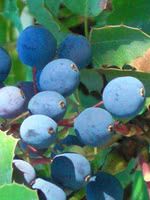
Creeping Oregon Grape is an excellent ground cover plant with attractive, dark green, holly-like leaves. It maintains its leaves throughout winter, which turn mauve, rose, and rust-colored. Clusters of bright, yellow flowers develop into dark, blue-purple edible berries ideal for juice or wine.