 Owned
Owned

Canada Plum vs Shiny Cotoneaster (Hedge Cotoneaster)
Cotoneaster lucidus
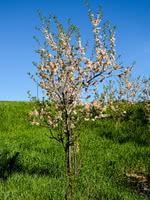
Prunus nigra
COMING SOON
(new stock expected: fall of 2026)
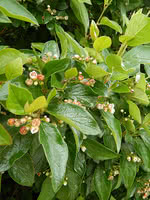
The Shiny Cotoneaster (Hedge Cotoneaster) is a dense, deciduous shrub that gets its name from the glossy dark green leaves that turn an eye-catching mix of red and purple in the fall.
It produces small, pink flowers in spring and by late summer they are followed by red berries that ripen to black. This plant is great for attracting wildlife as it is loved by both birds and butterflies.
While the Shiny Cotoneaster does produce berries, they are inedible to humans. This plant takes pruning and shearing well, making it easy to shape to your liking and is a great choice for a hedge or privacy screen in your yard.
Canada Plum is a cold-hardy wild plum native to North America with small red fruit. They ripen in mid to late summer, with bitter, astringent skin surrounding sweet, slightly acidic flesh that clings to the stone. While some enjoy eating the plums fresh, they are more commonly used for baking and preserves. It is considered a universal pollinizer for other plum varieties and is often used for grafting or as a rootstock.
White to pink flowers appear in spring, often before the leaves, providing an early source of nectar and pollen for native bees and other pollinators. Birds and other wildlife also feed on the fruit, adding to its ecological value. Canada Plum can grow as a small tree or large, multi-stemmed shrub. It is well suited to a variety of projects, including fruit orchards for cross-pollination, as well as pollinator plantings, naturalization, and restoration projects.
Shiny Cotoneaster (Hedge Cotoneaster) Quick Facts
Canada Plum Quick Facts
Toxicity: may cause stomach upset