 Owned
Owned

Mon-Fri 9am - 5pm Mountain time
Cart reopens in October
Subscribe to our email list
to stay updated
Manchurian Apricot vs White Meadowsweet
Prunus armeniaca var. mandshurica
Spiraea alba
NOT AVAILABLE THIS SEASON - MIGHT RETURN
NOT AVAILABLE THIS SEASON - MIGHT RETURN
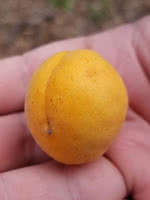
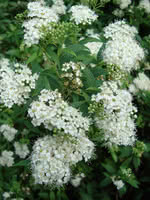
Manchurian Apricot is a winter-hardy relative of the native plum. This tree can stand some drought, but will not handle standing water or saturated moist soils. It can be used in shelterbelts, hedges, or as an ornamental. Manchurian Apricot will also attract songbirds, rabbits, and other rodents if left uncontrolled.
This tree will produce fruit once it reaches maturity at between two and five years old. Other famous cultivars of Manchurian Apricot include Scout Apricot, Moongold, and many more.
White Meadowsweet is a woody, deciduous shrub that begins to bloom in early summer with small white and pink flowers. Its foliage turns from a light green into an attractive golden-yellow later in the fall.
The White Meadowsweet, also known as Mead-Wort or Bride-Wort, is favored by birds and butterflies but is largely ignored by deer. They produce small brown berries in the summer, and while they are technically edible, they are not sweet and are more desired by wildlife.