 Owned

Shagbark Hickory vs Sessile Oak
Carya ovata
Quercus petraea
COMING SOON
(new stock expected: fall of 2027)
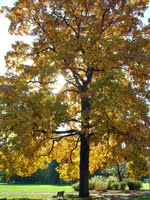
Shagbark Hickory is a unique tree both for its looks and uses. Its bark peels into long thin vertical strips giving it a shaggy appearance. This and its golden fall leaves make it a gorgeous looking tree. This species produces tasty hickory nuts once mature. Hickory smoke is also treasured for curing meats and its generally fantastic smell.
This tree is best planted away from any buildings due to a deep taproot and large size. Many people remark on the unusual taproot for this tree that can be over 6 feet deep while the plant only has 2 feet of top growth.
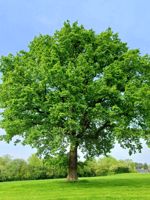
Sessile Oak is a large, long-lived deciduous tree with a wide, rounded crown. It is an important host plant for many pollinators, especially in its native range. Its acorns serve as a valuable food source for birds and small mammals, providing strong ecological value. It differs from many oaks as the leaves grow on longer stalks, whereas the acorns are stalkless. It can live for hundreds of years, with some surviving over 1,000 years in ideal conditions. As it matures, the tree develops a rugged, gnarled structure that provides heavy shade and a distinctive appearance.
More drought-tolerant than other oaks and does not do well in waterlogged or compacted soils.
Native to Europe and is the national tree of Ireland.
Note: Most Oak species can be considered toxic for many animals.
Shagbark Hickory Quick Facts
Sessile Oak Quick Facts
Toxicity: young leaves and acorns toxic to humans and animals when injested