 Owned
Owned

Mon-Fri 9am - 5pm Mountain time
Cart reopens in October
Subscribe to our email list
to stay updated
Honey Queen Raspberry vs Nannyberry
Rubus x Honey Queen
Viburnum lentago
NOT AVAILABLE THIS SEASON - MIGHT RETURN
NOT AVAILABLE THIS SEASON - MIGHT RETURN
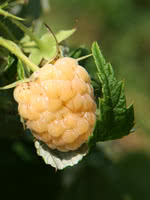
Honey Queen Raspberry is known for its sweet honey flavor and unique yellow color. Its berries are soft and medium-sized, nice for picking and eating in the summer.
Honey Queen was developed in Rocky Mountain House by Robert Erskine and is very winter hardy. Canes are yellowish, floricane, arched and moderately spiny.
Honey Queen raspberries benefit from trellising for best results. While all raspberries prefer full sun, this variety is more shade-tolerant and can still produce well in partial shade.
The Honey Queen Raspberry is a fast-growing floricane. This means that raspberries will not grow on canes the year they first grow. The mature canes they do grow on, however, produce more berries than primocane varieties.
Check out some video of a Honey Queen Raspberry we saw this summer on our YouTube Channel. Click here.
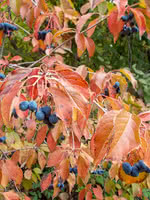
Nannyberry is a hardy shrub known for attracting wildlife. Its clusters of white flowers and tasty berries are suitable for bees, birds, and other animals.
Nannyberry is also used in urban yards and landscaping. This shrub makes a beautiful ornamental and is small enough to grow underneath power lines. Its berries can be eaten fresh or used in baking and preserves.
Makes a great hedge or privacy screen in an urban yard. Often has great red fall color to complement its spring flowers.