 Owned
Owned

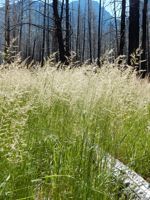
Slough Grass vs Bluejoint
Beckmannia syzigachne
Calamagrostis canadensis
CUSTOM GROW
CUSTOM GROW
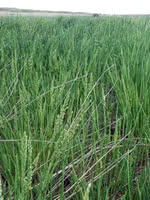
Slough Grass is a hardy grass that will happily grow in any wet soil. It is usually found near water and is common haymaking material or forage.
Slough Grass is also useful for erosion control and land reclamation.
Bluejoint is a native perennial grass that forms tall, dense colonies. It is one of the most abundant grasses found in Canada and the United States. The extensive shallow root system and spreading rhizomes help stabilise soils, especially in wet meadows, marshes, and along streambanks.
It is a cool-season grass, growing most actively in spring and fall and slowing during the heat of summer. Seeds from its purple-tinged spikes feed birds and small mammals, and the plant itself provides forage for wildlife and livestock, though it does not tolerate heavy grazing. Its tall, dense growth also offers nesting habitat for wetland birds. With these combined values, Bluejoint is well-suited for naturalisation, riparian plantings, and habitat restoration projects.