 Owned
Owned

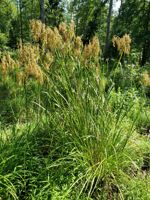
Water Sedge vs Woolgrass
Carex aquatilis
Scirpus cyperinus
CUSTOM GROW
CUSTOM GROW
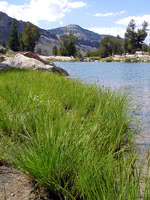
Water Sedge is a waterside grass which grows an extensive horizontal root system. This prevents erosion and allows it to grow back after being eaten.
Water sedge is grazed by many animals including cattle, sheep, horses and waterfowl. Animals choose Water Sedge for forage later in the year as it stays green longer than other plants, requiring you to buy feed for less of the year.
Woolgrass is a native perennial sedge that forms dense clumps in wetlands, ditches, and along shorelines. Its ability to thrive in saturated soils and shallow water, combined with its spreading growth habit, makes it especially valuable for waterside & riparian plantings, erosion control, ecological restoration, and naturalization projects.
The distinctive spikelets are covered in brown woolly bristles, which is where it gets the name Woolgrass. It produces seeds that are eaten by waterfowl and small mammals, while its dense stems offer cover and nesting habitat. It grows most actively in spring and fall, slowing or going dormant in the summer heat.