 Owned
Owned

Mon-Fri 9am - 5pm Mountain time
Cart reopens in October
Subscribe to our email list
to stay updated
Black Locust vs Japanese Maple
Robinia pseudoacacia
Acer palmatum
NOT AVAILABLE THIS SEASON - MIGHT RETURN
NOT AVAILABLE THIS SEASON - MIGHT RETURN
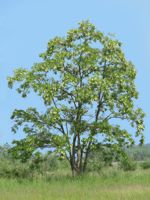
Black Locust is an attractive tree. Its distinctive leaves are made of about a dozen bright green leaflets. It also notable for its fragrant white flowers, which smell of citrus.
Black Locust can grow in many situations, but prefers dry areas with lots of sun. It is robust and is an excellent choice for establishing shade in dry, open areas.
Important note: Much of the Black Locust is toxic to humans and livestock, including seeds, bark, and leaves.
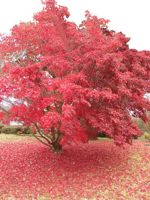
Japanese Maple is one of the most popular accent maples. Its long, fingered lobed leaves can be variegated in the summer with lighter shades of green, red, or even purple. Its autumn colour is a brilliant red that is uncommon in most plants, which adds nice contrast to your yard when planted near other trees.
The Japanese Maple is a diverse variety, there are over 1,000 cultivars with different sizes, shapes, and colours.
This species is extremely popular with bonsai enthusiasts.