 Owned

Western Snowberry vs Porthos Cherry
Symphoricarpos occidentalis
Prunus cerasus Porthos
NOT AVAILABLE THIS SEASON - MIGHT RETURN
COMING SOON
(new stock expected: later this season)
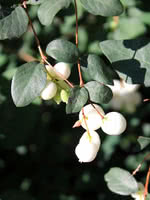

Like the Common Snowberry, the Western Snowberry is a small shrub with pink flowers useful for feeding livestock and preventing erosion. Unlike the common species, however, the Western Snowberry is much more suited to wet conditions, capable of persevering through poor soil drainage and occasional flooding.
After the Snowberry's flowers have bloomed, it produces berries which often last on the plant through winter. These berries are toxic to humans, but livestock and local wildlife love them! Those hoping to attract wildlife to their property can plant Snowberry and expect to see animals foraging on it much later in the year than other plants.
Porthos Cherry is a cold-hardy dwarf sour cherry that features white spring flowers followed by large, dark red fruit in mid-to-late summer. Among sour cherries, Porthos is exceptionally sweet with well-balanced acidity. These cherries are ideal for fresh eating, freezing, baking, winemaking, and preserves.
Porthos Cherry was developed by the University of Saskatchewan Fruit Program as part of the Musketeer series and released in 2022. They recommended growing dwarf sour cherries as a shrub rather than a small tree. The shrub form tends to bear fruit earlier and is less susceptible to winterkill.
Sour cherries are self-fertile; however, planting with additional varieties for cross-pollination can increase yields.
Western Snowberry Quick Facts
Porthos Cherry Quick Facts
Toxicity: berries are toxic to humans