 Owned
Owned

Western Snowberry vs Ben Sarek Black Currant
Symphoricarpos occidentalis
Ribes nigrum Ben Sarek
NOT AVAILABLE THIS SEASON - MIGHT RETURN
NOT AVAILABLE THIS SEASON - MIGHT RETURN
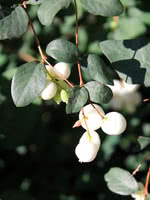
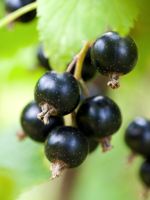
Like the Common Snowberry, the Western Snowberry is a small shrub with pink flowers useful for feeding livestock and preventing erosion. Unlike the common species, however, the Western Snowberry is much more suited to wet conditions, capable of persevering through poor soil drainage and occasional flooding.
After the Snowberry's flowers have bloomed, it produces berries which often last on the plant through winter. These berries are toxic to humans, but livestock and local wildlife love them! Those hoping to attract wildlife to their property can plant Snowberry and expect to see animals foraging on it much later in the year than other plants.
Ben Sarek Black Currant is a compact, high-yielding Black Currant cultivar, making it ideal for smaller gardens and easy berry picking. The large clusters of flavourful, sweet-tart berries ripen in mid-summer and are perfect for fresh eating, preserves, baked goods, and liqueurs. Plants may start producing some berries after two years, reaching full production in about four to five.
Developed by the Scottish Crop Research Institute, Ben Sarek Black Currant is resistant to powdery mildew and moderately resistant to white pine blister rust. It is self-fertile, meaning it does not require cross-pollination from another variety to produce fruit.
Western Snowberry Quick Facts
Ben Sarek Black Currant Quick Facts
Toxicity: berries are toxic to humans