 Owned
Owned

Mon-Fri 9am - 5pm Mountain time
Cart reopens in October
Subscribe to our email list
to stay updated
Black Cherry vs White Fringe Tree
Prunus serotina
Chionanthus virginicus
NOT AVAILABLE THIS SEASON - MIGHT RETURN
NOT AVAILABLE THIS SEASON - MIGHT RETURN
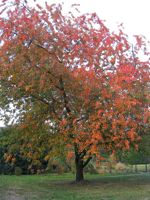
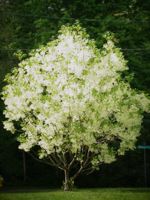
Black Cherry is common in eastern North America but a rare find elsewhere. This tree is shade tolerant and is often found in old fields, forest openings, and along fencerows.
The fruit is edible and is commonly used to flavor rum and brandy. It is also edible and often eaten fresh or used in wine or jelly. Black Cherry trees typically begin producing fruit when they are 10 years of age.
Black Cherry wood is a rich reddish-brown color and is strong, making it valued in cabinetry and woodworking. It is often used in reclamation as well.
The leaves can poison livestock as they contain cyanide derivatives and precursors. However, many have noted that deer still seem to browse their trees with impunity and birds and other animals eat the fruit when available.
White Fringe Tree is known for its fringe-like white flowers. It can either grow as a small tree or a large multistemmed shrub. The White Fringe Tree has separate male and female plants. Both male and female flowers have white fringe-like petals, but the male flowers are longer and showier. The female flowers give way to clusters of dark blue to black berries. These berries are not edible for humans but attract birds and other wildlife.
The White Fringe Tree is tolerant of clay soils, saline soils, and air pollution but does not do well in prolonged dry conditions.
Black Cherry Quick Facts
White Fringe Tree Quick Facts
Toxicity: bark and wilted leaves toxic to livestock