 Owned
Owned

Mon-Fri 9am - 5pm Mountain time
Cart reopens in October
Subscribe to our email list
to stay updated
Black Cherry vs Royal Star Magnolia
Prunus serotina
Magnolia stellata Royal Star
NOT AVAILABLE THIS SEASON - MIGHT RETURN
NOT AVAILABLE THIS SEASON - MIGHT RETURN
(we don't know if or when this product will be restocked)
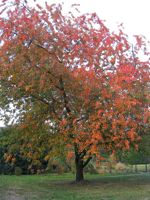
Black Cherry is common in eastern North America but a rare find elsewhere. This tree is shade tolerant and is often found in old fields, forest openings, and along fencerows.
The fruit is edible and is commonly used to flavor rum and brandy. It is also edible and often eaten fresh or used in wine or jelly. Black Cherry trees typically begin producing fruit when they are 10 years of age.
Black Cherry wood is a rich reddish-brown color and is strong, making it valued in cabinetry and woodworking. It is often used in reclamation as well.
The leaves can poison livestock as they contain cyanide derivatives and precursors. However, many have noted that deer still seem to browse their trees with impunity and birds and other animals eat the fruit when available.
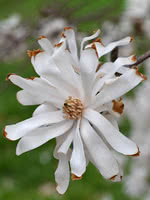
The Royal Star Magnolia, or Star Magnolia, is an early-blooming, white fragrant flower. It has a form that resembles a starburst, hence the name. This multi-stemmed deciduous shrub is extremely popular and has won the prestigious Award of Garden Merit from the Royal Horticultural Society.
The Royal Star Magnolia attracts birds and butterflies to your garden, with their large, showy flowers blooming even before it’s foliage which features a medium green leaf. They prefer slightly acidic soils.
Black Cherry Quick Facts
Royal Star Magnolia Quick Facts
Toxicity: bark and wilted leaves toxic to livestock