 Owned
Owned

Black Walnut vs Black Cherry
Juglans nigra
Prunus serotina
NOT AVAILABLE THIS SEASON - MIGHT RETURN
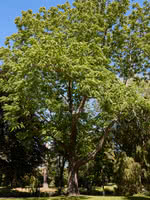
The Black Walnut is a slow growing, large, straight-stemmed tree with an open crown. It produces dense, very hard, edible nuts.
Black Walnut has a deeply-furrowed, black bark. Its leaves are about 1 foot long, composed of 15 - 23 slightly stalked leaflets on a moderately stout stock which provide good dappled shade.
Despite being highly valued for its edible nuts and its shade tree aesthetics, it is rare to see this tree on the prairies.
Note: Black Walnut's roots produce a substance named juglone that is toxic to some other plants. Consider this when choosing where you plant a black walnut, as you will not be able to grow tomato, potato, cabbage, eggplant, blueberry, azalea, rhododendron, lilac, red pine and apple in the surrounding area.
Note: Plant this tree once. It will not respond well to transplanting.
Note: Although self-pollinating, planting two trees significantly improves nut production.
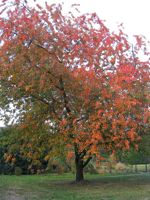
Black Cherry is common in eastern North America but a rare find elsewhere. This tree is shade tolerant and is often found in old fields, forest openings, and along fencerows.
The fruit is edible and is commonly used to flavor rum and brandy. It is also edible and often eaten fresh or used in wine or jelly. Black Cherry trees typically begin producing fruit when they are 10 years of age.
Black Cherry wood is a rich reddish-brown color and is strong, making it valued in cabinetry and woodworking. It is often used in reclamation as well.
The leaves can poison livestock as they contain cyanide derivatives and precursors. However, many have noted that deer still seem to browse their trees with impunity and birds and other animals eat the fruit when available.
Black Walnut Quick Facts
Black Cherry Quick Facts
Toxicity: bark and wilted leaves toxic to livestock