 Owned
Owned

Mon-Fri 9am - 5pm Mountain time
Cart reopens in October
Subscribe to our email list
to stay updated
Lowbush Cranberry vs Nova Raspberry
Viburnum edule
Rubus x Nova
NOT AVAILABLE THIS SEASON - MIGHT RETURN
(new stock expected: fall of 2027)
NOT AVAILABLE THIS SEASON - MIGHT RETURN
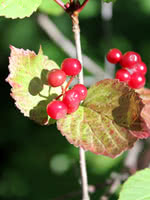
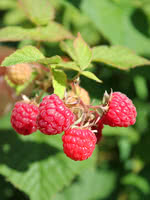
Lowbush Cranberry is a short, deciduous shrub native to North America. Its white flowers bear sour but edible fruit that ripens to a brilliant red in fall. Lowbush Cranberry's small size makes it suitable for urban use; buyers will also find it useful if trying to reclaim land back to its original species or when landscaping with native species in damp conditions.
Taste is the reason people buy the Nova Raspberry.
Nova canes have very few spines. As it has a firmer berry, it is commonly planted for commercial plantings where a harvester is used.
The Nova Raspberry gets its name from where it was bred, in Nova Scotia. It was created to survive and thrive in the varying climates of Canada.
The Nova Raspberry is a fast-growing floricane. This means that raspberries will not grow on canes the year they first grow. The mature canes they do grow on, however, produce more berries than primocane varieties.