 Owned
Owned

Mon-Fri 9am - 5pm Mountain time
Cart reopens in October
Subscribe to our email list
to stay updated
Indigo Treat Haskap (Honeyberry) vs Staghorn Sumac
Lonicera caerulea Indigo Treat
Rhus typhina
NOT AVAILABLE THIS SEASON - MIGHT RETURN
NOT AVAILABLE THIS SEASON - MIGHT RETURN
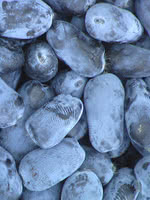
Indigo Treat has fruit similar in size and firmness to their Tundra variety, making it suitable for commercial production or your home garden.
Indigo Treat, like the Borealis Haskap, does not self-pollinate well. We recommend another variety, such as Honeybee or Berry Blue Honeyberry, be planted at a minimum 1:8 ratio with it to boost fruit production. Many experts suggest the highest Haskap yield comes from fields planted with the most varieties.
Due to stronger interest in newer cultivars, 2015 will be our last year selling Indigo Treat.
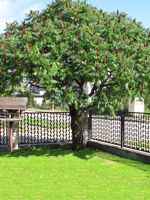
Staghorn Sumac is a popular ornamental shrub with red velvet like antlers that produce seeds that provide nice winter interest for landscapers and gardeners.
This low-maintenance plant is a great addition to any garden it is also used in shelterbelts.