 Owned
Owned

Mon-Fri 9am - 5pm Mountain time
Cart reopens in October
Subscribe to our email list
to stay updated
Berry Blue Haskap (Honeyberry) vs Nannyberry
Lonicera caerulea Berry Blue
Viburnum lentago
NOT AVAILABLE THIS SEASON - MIGHT RETURN
NOT AVAILABLE THIS SEASON - MIGHT RETURN
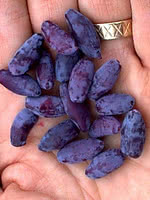
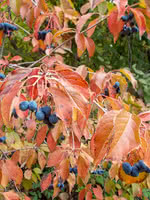
Berry Blue Honeyberry is a hardy deciduous shrub. Its fruit is deliciously tart and perfect for fresh eating or production.
Berry Blue is an early pollinating variety. Pair with other early pollinators to have a higher yield.
Aurora is a great companion variety.
Haskap is the Japanese name for these berries and this term has been adopted for the University of Saskatchewan varieties. In other areas they are more commonly known as Honeyberry which is why we call this Eastern European variety Honeyberry.
Nannyberry is a hardy shrub known for attracting wildlife. Its clusters of white flowers and tasty berries are suitable for bees, birds, and other animals.
Nannyberry is also used in urban yards and landscaping. This shrub makes a beautiful ornamental and is small enough to grow underneath power lines. Its berries can be eaten fresh or used in baking and preserves.
Makes a great hedge or privacy screen in an urban yard. Often has great red fall color to complement its spring flowers.