 Owned
Owned

Mon-Fri 9am - 5pm Mountain time
Cart reopens in October
Subscribe to our email list
to stay updated
Green Alder vs Shiny Cotoneaster (Hedge Cotoneaster)
Cotoneaster lucidus
Alnus alnobetula subsp. crispa
NOT AVAILABLE THIS SEASON - MIGHT RETURN
COMING SOON
(new stock expected: fall of 2026)
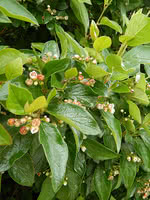
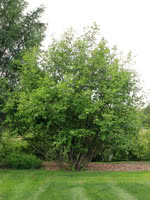
The Shiny Cotoneaster (Hedge Cotoneaster) is a dense, deciduous shrub that gets its name from the glossy dark green leaves that turn an eye-catching mix of red and purple in the fall.
It produces small, pink flowers in spring and by late summer they are followed by red berries that ripen to black. This plant is great for attracting wildlife as it is loved by both birds and butterflies.
While the Shiny Cotoneaster does produce berries, they are inedible to humans. This plant takes pruning and shearing well, making it easy to shape to your liking and is a great choice for a hedge or privacy screen in your yard.
Green Alder is a native, cold-hardy shrub found in boreal forests, along slopes, and in open upland habitats. It fixes nitrogen in the soil, improving fertility and helping other plants grow, while its roots help stabilize slopes and disturbed ground. Fast to establish on poor soils, it is widely used in reclamation, restoration, and erosion control projects.
With its smooth grey bark and shiny green leaves, Green Alder often forms dense thickets that provide cover for birds and small mammals. Its seeds, buds, and catkins also supply food for wildlife. Green Alder is well suited for naturalization and ecological restoration.
Note: We use Green Alder for Alnus alnobetula subsp. crispa. This species is also known by many other common names, including Mountain Alder, Sitka Alder, and others. Please confirm the scientific name to ensure you are ordering the correct plant.
Shiny Cotoneaster (Hedge Cotoneaster) Quick Facts
Green Alder Quick Facts
Toxicity: may cause stomach upset
In row spacing: 0.9 m (3 ft)