 Owned
Owned

Bearberry vs Goji Berry
Arctostaphylos uva-ursi
Lycium barbarum
COMING SOON
(new stock expected: fall of 2026)
NOT AVAILABLE THIS SEASON - MIGHT RETURN
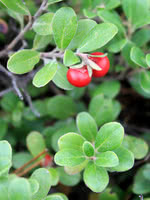
Bearberry is a dwarf shrub known for its creamy pink flowers and red edible fruits.
It is great as a filler in gardens and flowerbeds in place of invasive ground cover plants, like English Ivy.
Bearberry will attract hummingbirds, butterflies and bees to your property. It is one of the top 12 plants recommended by the Alberta Native Bee Council to support pollinators.
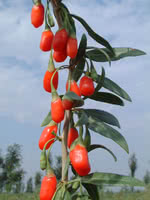
Goji Berry is a woody, deciduous perennial known for its hearty, bright orange-red berries. It typically produces light lavender flowers from June through September, with fruit maturation taking place between August and October.
Goji Berry berries are delicious, nutrient rich, high in antioxidants, and are often called a super fruit. Many describe their flavour as being like a tart cherry tomato.