 Owned
Owned

Mon-Fri 9am - 5pm Mountain time
Cart reopens in October
Subscribe to our email list
to stay updated
Bearberry vs Sandbar Willow
Arctostaphylos uva-ursi
Salix exigua
NOT AVAILABLE THIS SEASON - MIGHT RETURN
CUSTOM GROW
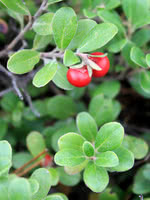
Bearberry is a dwarf shrub known for its creamy pink flowers and red edible fruits.
It is great as a filler in gardens and flowerbeds in place of invasive ground cover plants, like English Ivy.
Bearberry will attract hummingbirds, butterflies and bees to your property. It is one of the top 12 plants recommended by the Alberta Native Bee Council to support pollinators.
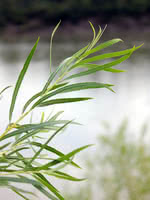
Sandbar Willow is a deciduous species native to much of North America. This mid-sized, fast-growing shrub can be found in very wet areas, making it an ideal plan to use in a wet area with erosion risk.
Sandbar Willow has long, narrow green leaves, and its grassy narrow stems give it an attractive, bamboo-like appearance.
All willow are important to native pollinators each spring as they have higher amounts of pollen and nectar early each growing season when other food sources are scarce.