 Owned
Owned

Jack Pine vs Japanese Black Pine
Pinus thunbergii
Pinus banksiana
NOT AVAILABLE THIS SEASON - MIGHT RETURN
NOT AVAILABLE THIS SEASON - MIGHT RETURN
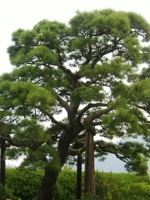
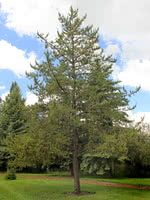
Japanese Black Pine is known for its unique and irregular growth habit, making it a striking landscape addition. It typically does not grow with a central leader. This causes it to form a flat-top, classic bonsai-like shape when mature. When it has a central leader, it will grow with a twisted trunk. Another striking feature is the white apical buds which contrast with the surrounding green needles.
The Japanese Black Pine is an excellent candidate for a bonsai tree and is frequently used by the bonsai community. It is found along the Japanese coast and is salt tolerant.
Jack Pine is a cold tolerant native species that can survive on dry, sandy or gravelly sites.
Similar to Scots Pine, though somewhat larger, Jack Pine is known for its yellow-green needles, spreading crown, and irregular form. If you have a tough site to plant, this tree may be right for you.
Japanese Black Pine Quick Facts
Jack Pine Quick Facts
In row spacing: 3 - 4 m (10 - 12 ft)