 Owned
Owned

Blackcurrant vs Western Snowberry
Ribes nigrum
Symphoricarpos occidentalis
NOT AVAILABLE THIS SEASON - MIGHT RETURN
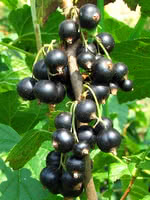
Blackcurrant is a medium-sized shrub producing delicious, deep purple to black sweet berries suitable for jams, jellies, syrups and cordial.
Our Blackcurrant is grown from seed from the "Ben" series of Blackcurrant cultivars, developed by the Mylnefield Research Station in Scotland with a focus on cold hardiness and heavy commercial fruit production. Our seedlings will be slightly different due to hereditary differences but will be very similar to this series.
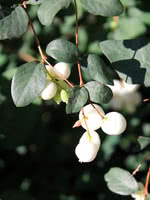
Like the Common Snowberry, the Western Snowberry is a small shrub with pink flowers useful for feeding livestock and preventing erosion. Unlike the common species, however, the Western Snowberry is much more suited to wet conditions, capable of persevering through poor soil drainage and occasional flooding.
After the Snowberry's flowers have bloomed, it produces berries which often last on the plant through winter. These berries are toxic to humans, but livestock and local wildlife love them! Those hoping to attract wildlife to their property can plant Snowberry and expect to see animals foraging on it much later in the year than other plants.
Blackcurrant Quick Facts
Western Snowberry Quick Facts
Toxicity: berries are toxic to humans