 Owned
Owned

Mon-Fri 9am - 5pm Mountain time
Cart reopens in October
Subscribe to our email list
to stay updated
Ginkgo Biloba vs Swamp White Oak
Ginkgo biloba
Quercus bicolor
NOT AVAILABLE THIS SEASON - MIGHT RETURN
NOT AVAILABLE THIS SEASON - MIGHT RETURN
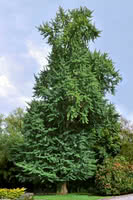
The Ginkgo Biloba is regarded as one of the most distinctive and beautiful of all the deciduous trees, and has remained genetically unchanged for millions of years. Its beautifully fan-shaped leaves develop a clear yellow colour in fall. Graceful and attractive year-round, Ginkgo is the perfect conversation starter in your yard.
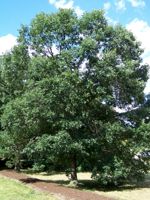
The Swamp White Oak is a medium-sized deciduous tree native to North America. It is commonly found in swamps, lowlands, floodplains, and near streams and lakes. The leaves are two-toned, green on top and silvery-white on the undersides, adding to the visual appeal of this popular shade tree.
In the fall, the Swamp White Oak produces acorns which are an important food source for wildlife. It also provides a habitat for the larvae of many butterfly and moth species, playing an important ecological role. Although its growth is slow in the first few years, once the roots are established, it can achieve faster annual growth.