 Owned
Owned

Common Caragana vs Eastern Redbud
Caragana arborescens
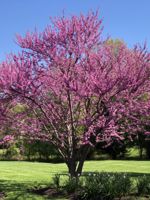
Cercis canadensis
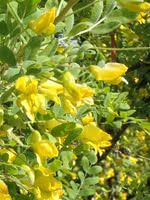
Common Caragana is a fast growing shrub that's known for its exceptional hardiness and drought tolerance. Although it's most commonly planted in shelterbelts, Common Caragana is also an excellent hedge or feature shrub.
Note: in warmer areas, this species can be difficult to contain once planted. Use the right plant in the right place.
The Eastern Redbud is known for the pea-like pink buds that emerge in clusters on the bark, embellishing the tree in stunning flowers. They have a longer bloom time, sometimes for two to three weeks before the heart-shaped leaves emerge for the summer. Inedible pods emerge that turn brown in the summer, this tree is a part of the bean family.
Native to the Eastern North America. The Eastern Redbud can tolerate acidic and alkaline soil. Plant this as a beautiful understory species or shaded residential yard or garden. The bright pop of color will make an attractive ornamental tree.
Common Caragana Quick Facts
Eastern Redbud Quick Facts
In row spacing: 0.3 m (1.0 ft)