 Owned
Owned

Mon-Fri 9am - 5pm Mountain time
Cart reopens in October
Subscribe to our email list
to stay updated
Common Caragana vs Creeping Oregon Grape
Caragana arborescens
Mahonia repens
COMING SOON
(new stock expected: fall of 2026)
CUSTOM GROW
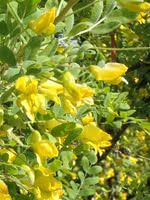
Common Caragana is a fast growing shrub that's known for its exceptional hardiness and drought tolerance. Although it's most commonly planted in shelterbelts, Common Caragana is also an excellent hedge or feature shrub.
Note: in warmer areas, this species can be difficult to contain once planted. Use the right plant in the right place.
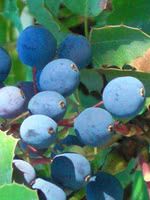
Creeping Oregon Grape is an excellent ground cover plant with attractive, dark green, holly-like leaves. It maintains its leaves throughout winter, which turn mauve, rose, and rust-colored. Clusters of bright, yellow flowers develop into dark, blue-purple edible berries ideal for juice or wine.
Common Caragana Quick Facts
Creeping Oregon Grape Quick Facts
In row spacing: 0.3 m (1.0 ft)