 Owned
Owned

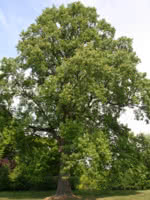
Scots Pine (Scotch Pine) vs Tulip Tree
Pinus sylvestris
Liriodendron tulipifera
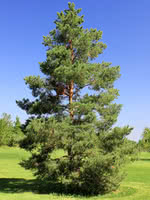
Scots Pine is a hardy, adaptable evergreen. This large tree has an oval crown and distinctively orange bark when mature. Scots Pine prefers dry to average moisture levels with very well-drained soil.
It is the most common pine tree used in shelterbelts and windbreaks. Scots Pine is also occasionally used as a Christmas tree variety.
Tulip Tree is the perfect shade tree for wide open spaces. It has a shallow and extensive root system, so ensure you give it space to grow. The attractive and showy, yellow-orange, tulip shaped flowers are where this tree gets its name.
Tulip Tree is somewhat rare in Canada but highly sought after as it is difficult to grow. Does best in a moist, well-drained soil.
Scots Pine (Scotch Pine) Quick Facts
Tulip Tree Quick Facts
In row spacing: 3 - 4 m (10 - 12 ft)