
Ponderosa Pine vs Tulip Tree - TreeTime.ca

Ponderosa Pine vs Tulip Tree

Pinus ponderosa

Liriodendron tulipifera
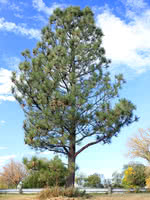
Ponderosa Pine
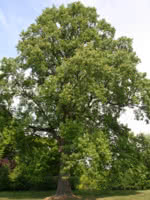
Tulip Tree

Ponderosa Pine is the tallest known pine in North America. This popular evergreen has distinctive, textured bark and long needles.

This makes it an excellent ornamental tree for landscaping on large properties. Ponderosa Pine is hardy in a variety of soil conditions.

Tulip Tree is the perfect shade tree for wide open spaces. It has a shallow and extensive root system, so ensure you give it space to grow. The attractive and showy, yellow-orange, tulip shaped flowers are where this tree gets its name.

Tulip Tree is somewhat rare in Canada but highly sought after as it is difficult to grow. Does best in a moist, well-drained soil.

Ponderosa Pine Quick Facts

Tulip Tree Quick Facts

Lowest Price: $2.29 - SAVE UP TO 54%
Lowest Price: $7.49 - SAVE UP TO 25%
Zone: 3a
Zone: 4a
Height: 30 m (98 ft)
Height: 24 m (80 ft)
Spread: 9 m (30 ft)
Spread: 14 m (45 ft)
Light: full sun
Light: full sun
Moisture: dry, normal
Moisture: normal, wet
Growth rate: medium
Growth rate: fast
Life span: long
Life span: long
Growth form: upright, oval to pyramidal
Spreading: seeds - low
Suckering: none
Suckering: none


Foliage: 4-lobed somewhat spade-shaped
Fall colour: golden yellow
Flowers: greenish yellow, tulip-shaped
Bloom time: spring to early summer
Hybrid: no
Hybrid: no
Catkins: no
Catkins: no


Native to: BC
Native to: ON
Other Names: big pine, black jack pine, bull pine, heavy pine, ponderosa white pine, sierra brownbark pine, western longleaf pine, western pitch pine, western red pine, western yellow pine, yellow pine
Other Names: canoewood, tulip poplar, tulip-poplar, tuliptree, yellow poplar