 Owned
Owned

Mon-Fri 9am - 5pm Mountain time
Cart reopens in October
Subscribe to our email list
to stay updated
Siberian Larch vs Ginkgo Biloba
Ginkgo biloba
Larix sibirica
NOT AVAILABLE THIS SEASON - MIGHT RETURN
COMING SOON
(new stock expected: fall of 2026)
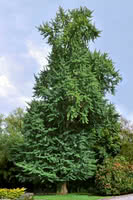
The Ginkgo Biloba is regarded as one of the most distinctive and beautiful of all the deciduous trees, and has remained genetically unchanged for millions of years. Its beautifully fan-shaped leaves develop a clear yellow colour in fall. Graceful and attractive year-round, Ginkgo is the perfect conversation starter in your yard.
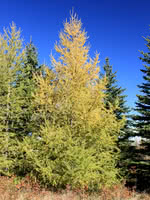
Siberian Larch is a large, cold hardy conifer. Like the Tamarack, its needles turn golden yellow and drop in the fall, and it is able to handle saturated soils.
If you are looking for a long-lived tree for your large property or shelterbelt with quite wet soil, this is the tree for you.
This variety is often used on the south side of a shelterbelt to let sunlight in during the winter and to provide protection or shading during the summer.
Ginkgo Biloba Quick Facts
Siberian Larch Quick Facts
Toxicity: Uncooked nuts in large quantities