 Owned
Owned

Acute Willow vs Thornless Honeylocust
Salix acutifolia
Gleditsia triacanthos var. inermis
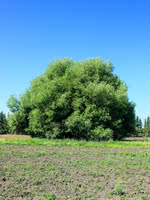
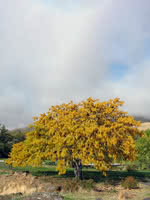
Acute Willow is a very fast growing small tree that can reach growth rates of up to 6 feet per year. It's a great choice for developing a quick, hardy shelterbelt, windbreak, or privacy screen.
Acute Willow will grow multi-stemmed but can be pruned to a single stem for a smaller footprint. It prefers moist areas and requires almost no maintenance.
Willows are important to native pollinators each spring as they have higher amounts of pollen and nectar early each growing season when other food sources are scarce.
Thornless Honey Locust makes an excellent shade tree with its lacy foliage and dappled shade. The leaves are honey-yellow, light and airy, providing interesting color and texture to your landscape. This variety is thornless, and the seeds and pods provide food for wildlife such as deer and squirrels.
The Thornless Honey Locust is tolerant of drought, various soil conditions, and even road salt.
Acute Willow Quick Facts
Thornless Honeylocust Quick Facts
In row spacing: 2.4 m (8 ft)