 Owned
Owned

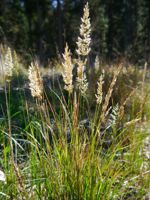
Pinegrass vs Bebbs Sedge
Carex bebbii
Calamagrostis rubescens
NOT AVAILABLE THIS SEASON - MIGHT RETURN
CUSTOM GROW
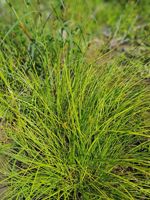
Bebb’s Sedge is a native perennial wetland plant that forms dense clumps of grass-like stems. It grows in a variety of wetland habitats, from marshes and wet meadows to lakeshores and stream banks. Ideal for rain gardens, riparian restoration, soil stabilization, and naturalization projects.
In late spring and early summer, Bebb’s Sedge produces clustered seed heads that mature from green to reddish-brown, adding seasonal interest while providing food and habitat for wildlife. As a cool-season plant, it grows most actively in the spring and as temperatures cool in the fall.
Pinegrass is a hardy, native perennial grass common in forested regions of western North America. It is an important understory species and is typically found beneath conifer canopies. Due to its spreading nature and ability to form dense mats that cover the forest floor, it helps stabilize soils and reduce erosion.
It provides forage for wildlife and livestock, shelter for small animals, and seeds for birds, playing an important ecological role in woodland ecosystems. Pinegrass is well-suited for ecological restoration, soil stabilization, and naturalization projects.