 Owned
Owned

Cyperus-like Sedge vs Knotted Rush
Juncus nodosus
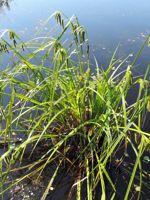
Carex pseudocyperus
NOT AVAILABLE THIS SEASON - MIGHT RETURN
CUSTOM GROW
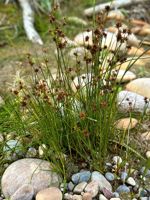
Knotted Rush is a native perennial wetland plant found growing in marshes, swamps, wet meadows, and along shorelines. It spreads by underground rhizomes to form colonies, which can also help stabilize soils and shorelines.
Its upright, slender stems and small clusters of greenish-brown seed heads add structure to wetland plant communities. Knotted Rush is well-suited to wetland conservation, rain gardens, naturalization, and restoration projects. As a cool-season grower, it grows actively during spring and fall, when temperatures are cooler.
Cyperus-like Sedge is a native perennial sedge found in wetlands, marshes, swamps, and along shorelines. Classified as an obligate wetland species, it grows in dense clumps that thrive in saturated soils, helping stabilize wet ground and protect shorelines. These colonies also provide cover for wildlife, while the seeds may be eaten by waterfowl and other birds. It is well-suited to wetland restoration, waterside and riparian zone plantings, and naturalization projects.
Its ornamental appeal comes from the contrast between the upright male floral spikes at the top of the stems and the long, drooping female floral spikes that hang below. These seed spikes resemble those of Cyperus species, giving the plant its common name and making it an attractive addition to naturalized plantings.