 Owned
Owned

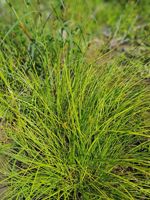
Wheat Sedge vs Bebbs Sedge
Carex atherodes
Carex bebbii
CUSTOM GROW
NOT AVAILABLE THIS SEASON - MIGHT RETURN
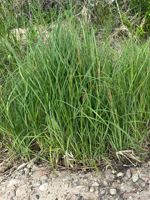
Wheat Sedge is a native perennial sedge commonly found in wetlands, ditches, and along shorelines. It thrives in saturated soils, spreading by rhizomes to form large colonies that stabilize both soils and shorelines. This makes it valuable for wetland and riparian plantings.
Its distinctive, wheat-like seed spikes add seasonal character while providing food for waterfowl, and its dense clumps supply cover and nesting habitat for birds and small animals. Together, these traits make Wheat Sedge an important species for enhancing biodiversity and supporting healthy wetland ecosystems.
Bebb’s Sedge is a native perennial wetland plant that forms dense clumps of grass-like stems. It grows in a variety of wetland habitats, from marshes and wet meadows to lakeshores and stream banks. Ideal for rain gardens, riparian restoration, soil stabilization, and naturalization projects.
In late spring and early summer, Bebb’s Sedge produces clustered seed heads that mature from green to reddish-brown, adding seasonal interest while providing food and habitat for wildlife. As a cool-season plant, it grows most actively in the spring and as temperatures cool in the fall.