 Owned
Owned

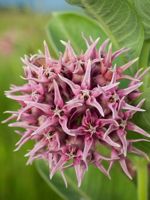
Missouri Goldenrod vs Showy Milkweed
Solidago missouriensis
Asclepias speciosa
NOT AVAILABLE THIS SEASON - MIGHT RETURN
NOT AVAILABLE THIS SEASON - MIGHT RETURN
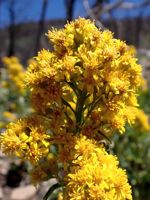
Missouri Goldenrod is a native perennial wildflower known for its brilliant golden yellow flowers that bloom from late summer to early fall. The flower heads contain hundreds of tiny blossoms that attract a wide variety of pollinators, including bees, butterflies, and other beneficial insects. Fully opened flowers can also be used to make tea. As the season progresses, the flowers give way to fluffy seed heads, providing food for birds.
It can spread readily through its roots and self-seeding, this make Missouri Goldenrod well suited for hard-to-grow areas. This vigorous growth habit makes it an excellent choice for large planting areas, wildflower gardens, naturalized projects, prairie restoration, and erosion control.
Showy Milkweed is a native perennial wildflower known for its fragrant clusters of pink to purple, star-shaped flowers. It is an essential plant for Monarch butterflies, acting as a critical host plant for caterpillars and a nectar source for adults. Blooming from early to mid-summer, these flowers also supply nectar to many other pollinators, including bees, butterflies, moths, and hummingbirds.
Ideal for butterfly conservation, pollinator gardens, and naturalization projects, Showy Milkweed thrives in a wide range of soils, including dry and rocky ground. While it spreads via underground rhizomes to form colonies, it is much less aggressive than Common Milkweed (Asclepias syriaca).
Note: All parts of the plant contain toxic cardiac glycosides, especially the milky sap. Do not ingest any part of the plant and prevent sap from contacting skin or eyes. Toxic to humans, pets, and livestock.
Missouri Goldenrod Quick Facts
Showy Milkweed Quick Facts
Toxicity: toxic to pets, livestock, and humans if ingested, can cause skin and eye irritation.