Schubert Chokecherry vs Creeping Oregon Grape - TreeTime.ca

Schubert Chokecherry vs Creeping Oregon Grape

Prunus virginiana Schubert

Mahonia repens

NOT AVAILABLE THIS SEASON - MIGHT RETURN

CUSTOM GROW
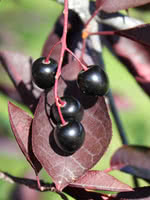
Schubert Chokecherry
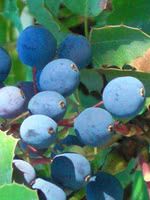
Creeping Oregon Grape

Schubert Chokecherry is similar to a western chokecherry but features beautiful purple-red leaves throughout the summer.

This small, flowering tree is perfectly suited as an ornamental for city yards.

The fruit from this tree is a staff favourite for jams, jellies, and wines.

Creeping Oregon Grape is an excellent ground cover plant with attractive, dark green, holly-like leaves. It maintains its leaves throughout winter, which turn mauve, rose, and rust-colored. Clusters of bright, yellow flowers develop into dark, blue-purple edible berries ideal for juice or wine.

Schubert Chokecherry Quick Facts

Creeping Oregon Grape Quick Facts

Zone: 2a
Zone: 5a
Height: 7 m (23 ft)
Height: 0.3 m (1.0 ft)
Spread: 4 m (12 ft)
Spread: 0.5 m (1.5 ft)
Light: full sun
Light: partial shade, full sun
Moisture: normal
Moisture: dry, normal
Growth rate: fast
Growth rate: slow
Life span: short
Life span: long
Suckering: high
Suckering: medium
Maintenance: medium
Maintenance: medium

Toxicity: Toxic to animals with segmented stomachs (horses, cattle, deer moose, etc.)

Fall colour: dark red
Fall colour: purple and bronze
Flowers: white
Flowers: yellow
Fruit: edible dark red berries, 10mm diameter, pitted, tart, good
Fruit: large blue/purple
Berries: edible dark red berries, 10mm diameter, pitted, tart, good
Hybrid: no
Hybrid: no
Catkins: no
Catkins: no


Native to: AB, BC
Other Names: ash barberry, creeping barberry, creeping holly grape, creeping mahonia, creeping oregon-grape, creeping western barberry, holly grape, mountain holly, oregon barberry