 Owned
Owned

Mon-Fri 9am - 5pm Mountain time
Cart reopens in October
Subscribe to our email list
to stay updated
Schubert Chokecherry vs Arnold Hawthorn
Prunus virginiana Schubert
Crataegus arnoldiana
NOT AVAILABLE THIS SEASON - MIGHT RETURN
COMING SOON
(new stock expected: fall of 2026)
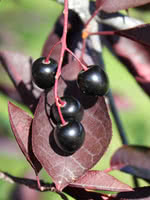
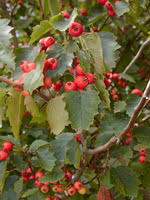
Schubert Chokecherry is similar to a western chokecherry but features beautiful purple-red leaves throughout the summer.
This small, flowering tree is perfectly suited as an ornamental for city yards.
The fruit from this tree is a staff favourite for jams, jellies, and wines.
Arnold Hawthorn is a low-branched tree favored by wildlife and landscapers. This tree's beautiful white flowers and bright red berries make it an attractive ornamental in anyone's yard. Arnold Hawthorn is also used in windbreaks and riparian planting.
Despite its thorns, Arnold Hawthorn is a popular choice of food and shelter for deer and birds. Humans can also eat these berries fresh or preserved, but Arnold Hawthorn will not have high yields until it matures at 5-8 years.
Schubert Chokecherry Quick Facts
Arnold Hawthorn Quick Facts
Toxicity: Toxic to animals with segmented stomachs (horses, cattle, deer moose, etc.)