 Owned
Owned

Mon-Fri 9am - 5pm Mountain time
Cart reopens in October
Subscribe to our email list
to stay updated
Schubert Chokecherry vs Manchurian Apricot
Prunus virginiana Schubert
Prunus armeniaca var. mandshurica
NOT AVAILABLE THIS SEASON - MIGHT RETURN
NOT AVAILABLE THIS SEASON - MIGHT RETURN
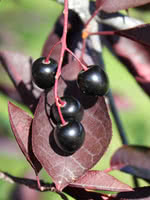
Schubert Chokecherry is similar to a western chokecherry but features beautiful purple-red leaves throughout the summer.
This small, flowering tree is perfectly suited as an ornamental for city yards.
The fruit from this tree is a staff favourite for jams, jellies, and wines.
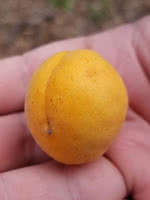
Manchurian Apricot is a winter-hardy relative of the native plum. This tree can stand some drought, but will not handle standing water or saturated moist soils. It can be used in shelterbelts, hedges, or as an ornamental. Manchurian Apricot will also attract songbirds, rabbits, and other rodents if left uncontrolled.
This tree will produce fruit once it reaches maturity at between two and five years old. Other famous cultivars of Manchurian Apricot include Scout Apricot, Moongold, and many more.
Schubert Chokecherry Quick Facts
Manchurian Apricot Quick Facts
Toxicity: Toxic to animals with segmented stomachs (horses, cattle, deer moose, etc.)