 Owned
Owned

Pawpaw vs Debbies Gold Apricot
Asimina triloba
Prunus × Debbies Gold
COMING SOON
(new stock expected: later this season)
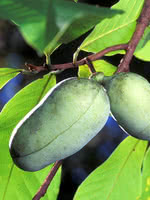
The Pawpaw tree produces delicious, sweet fruit with a unique banana-mango flavor. These oblong fruits start yellowish-green and mature to a dark brown in the fall. It is best to leave them on the tree until ripe, as they do not ripen well once picked. Pawpaws can be enjoyed fresh, in baking, or in ice cream.
Pawpaws produce the largest native fruit in North America. They typically grow as a small understory tree or large shrub on wooded slopes, in ravines, and along stream banks. They often spread through root suckers, forming dense thickets over time.
For fruit production to occur more than one genetically different Pawpaw tree is required. Our Pawpaw seedlings are grown from seed so they are all genetically different.
Note: Avoid eating the seeds and skin of the Pawpaw fruit as they can cause stomach pain for some individuals. Contact with the skin of the fruit can also result in skin irritation, so it is recommended to wear gloves during harvest. Plant this tree once. Due to its large tap root transplanting is not recommended.
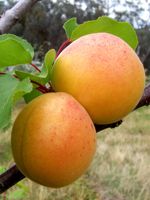
Debbie’s Gold Apricot is a cold-hardy variety known for its firm, sweet, and aromatic fruit. The white to pink flowers bloom several days later than other varieties, making them less susceptible to spring frosts. Their orange-yellow, freestone apricots ripen from late July to mid August and are well-suited for fresh eating, baking, canning, and preserves.
Debbie’s Gold Apricot is generally considered to be partially self-pollinating, but planting with another variety for cross-pollination can increase yields.
Note: While the bloom time is later than other varieties, the flowers are still vulnerable to spring frosts, which can reduce or eliminate the fruit crop.