 Owned
Owned

Mon-Fri 9am - 5pm Mountain time
Cart reopens in October
Subscribe to our email list
to stay updated
Pawpaw vs Purpurea Plena Elegans Clematis
Asimina triloba
Clematis Purpurea Plena Elegans
COMING SOON
(new stock expected: fall of 2026)
NOT AVAILABLE THIS SEASON - MIGHT RETURN
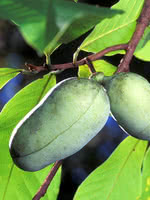
The Pawpaw tree produces delicious, sweet fruit with a unique banana-mango flavor. These oblong fruits start yellowish-green and mature to a dark brown in the fall. It is best to leave them on the tree until ripe, as they do not ripen well once picked. Pawpaws can be enjoyed fresh, in baking, or in ice cream.
Pawpaws produce the largest native fruit in North America. They typically grow as a small understory tree or large shrub on wooded slopes, in ravines, and along stream banks. They often spread through root suckers, forming dense thickets over time.
For fruit production to occur more than one genetically different Pawpaw tree is required. Our Pawpaw seedlings are grown from seed so they are all genetically different.
Note: Avoid eating the seeds and skin of the Pawpaw fruit as they can cause stomach pain for some individuals. Contact with the skin of the fruit can also result in skin irritation, so it is recommended to wear gloves during harvest. Plant this tree once. Due to its large tap root transplanting is not recommended.
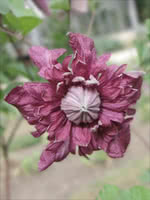
Purpurea Plena Elegans Clematis (P.P.E) is a stunning climbing vine. The flowers are double flowers, meaning they have an inner pompom surrounded by outer petals. They are distinct dusty rose colour with a long bloom time from mid-summer to early fall. They can remain on the vine for up to three weeks. It is durable and easy to maintain and train.
One of the oldest clematis cultivars, Purpurea Plena Elegans Clematis (P.P.E) is a winner of the Royal Horticultural Society's Award of Garden Merit.
The Purpurea Plena Elegans Clematis will attract pollinators to your yard or garden attracting butterflies and hummingbirds. Because it is a climbing species, support from a trellis or fence is recommended. New vines emerge from the ground, so pruning should be done in early spring.