 Owned
Owned

Mon-Fri 9am - 5pm Mountain time
Cart reopens in October
Subscribe to our email list
to stay updated
Eastern Red Cedar vs Wild Privet
Juniperus virginiana
Ligustrum vulgare
NOT AVAILABLE THIS SEASON - MIGHT RETURN
NOT AVAILABLE THIS SEASON - MIGHT RETURN
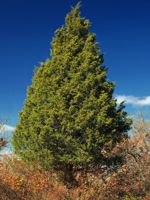
Eastern Red Cedar is native to eastern Canada and is actually a variety of juniper, not cedar. Its pyramidal crown, low hanging branches, and dense, compact foliage makes it an ideal windbreak or shelterbelt tree.
Eastern Red Cedar will attract wildlife to your yard and provide food and shelter for multiple varieties of birds. If you are on the east coast looking to create a windbreak, consider Eastern Red Cedar.
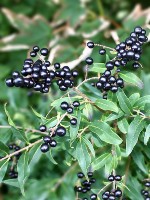
Wild Privet is a fast growing ornamental shrub that is well suited for forming hedges and privacy screens. It will retain its leaves in warmer climates but drops them in colder areas. They have small white flowers, though the smell is often considered unpleasant. While the berries are inedible, they are a good food source for many bird species.
It is recommended to prune Wild Privet immediately after flowering, as it can readily self seed. It is deer and rabbit tolerant. It can grow in dry areas, on slopes, and withstand the wind making it well suited for many growing conditions.
Eastern Red Cedar Quick Facts
Wild Privet Quick Facts
Toxicity: If ingested, all parts of this plant will cause severe discomfort. Toxic to dogs, cats, and horses